Sydney delivery | Express, on your preferred day
Free shipping on your first order.
Your future self starts today.
All About Longevity
We turn longevity science into simple daily rituals.
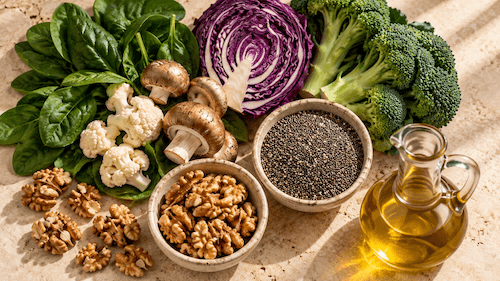
Wholefoods, targeted supplements and practical tools for your everyday routine.
Do we deliver to your area?
Enter your postcode to check delivery availability.
Three ways to build your daily structure.
Longevity, Explained.
What current research tells us about why we age—and what we can do today.
The biology behind ageing
Why Do We Age?
A WIDELY RECOGNIZED SCIENTIFIC FRAMEWORK
What Are the Hallmarks of Aging?
The Hallmarks of Aging are a widely recognized framework in ageing research for understanding why humans age. Updated in 2023, the framework identifies 12 interconnected biological processes that contribute to the progressive decline of cellular repair, resilience and function.
Based on López-Otín et al., Cell (2013; expanded 2023)View the research
12INTERCONNECTED
HALLMARKS2023 EXPANDED FRAMEWORK
HALLMARKS2023 EXPANDED FRAMEWORK

Genomic Instability
DNA damage and mutations accumulate over time. This weakens normal cell function and increases vulnerability to age-related dysfunction.
Telomere Attrition
Telomeres shorten as cells repeatedly divide. When they become too short, cells stop renewing properly and tissues lose repair capacity.

Epigenetic Alterations
The chemical controls that switch genes on and off change with age. Cells can lose their normal identity and become less effective at maintenance and repair.

Loss of Proteostasis
Cells become less able to fold, maintain and remove proteins correctly. Damaged proteins accumulate and interfere with healthy cellular function.

Disabled Macroautophagy
Autophagy becomes less efficient at clearing damaged cell components. Cellular waste builds up, reducing resilience and repair.

Deregulated Nutrient-Sensing
Nutrient- and energy-sensing pathways become less balanced with age. This disrupts metabolism and shifts cells away from maintenance and repair.
Mitochondrial Dysfunction
Mitochondria produce energy less efficiently and manage stress less effectively over time. Cells then have less energy for maintenance, repair and healthy function.
Cellular Senescence
Damaged cells stop dividing but remain active in tissues. They release signals that promote inflammation and disrupt nearby healthy cells.

Stem Cell Exhaustion
Stem cells become fewer and less effective over time. Tissues lose the ability to replace damaged cells and regenerate properly.

Altered Intercellular Communication
Communication between cells, hormones and immune systems becomes less coordinated. The body responds less effectively to damage, stress and changing needs.

Chronic Inflammation
Low-level inflammation can remain active even without infection. Persistent inflammatory signals damage tissues and accelerate age-related decline.

Dysbiosis
The gut microbiome loses balance and diversity with age. This can disrupt metabolism, immune regulation and overall tissue health.
Trendy daily protocols
Simple daily actions. Powerful long-term impact.
1
Sleep
The foundation of recovery. Better sleep = better everything.
- Consistent sleep schedule
- 7–9 hours of quality sleep
- No food 4–6 hours before bed
- No caffeine 6 hours before sleep
- Reduce blue light at night
- Wind-down & breathwork
- Dark, quiet, cool room
- Morning sunlight
- Track RHR & HRV
2
Exercise
Builds the body, protects the mind, and extends healthspan.
- Cardiovascular health: Zone 2 cardio
— 150 mins/week - VO₂ max: HIIT, Norwegian 4×4 or sprint intervals
— 1–3/week - Strength training — aim for 3+/week
- Mobility & flexibility
- Balance & reaction training
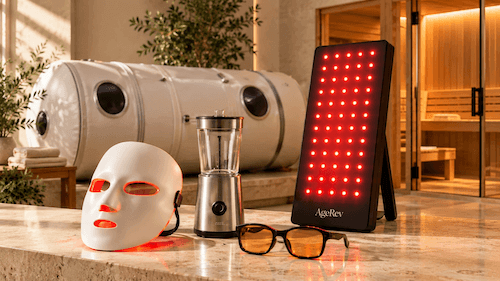
- Consider HBOT
- Sauna & recovery tools
- Red light therapy
3
Food intake
Daily fuel that shapes inflammation, metabolism, and long-term repair.
- Organic whole foods
- Vegetables & fruit
- Healthy fats (olive oil)
- Anti-inflammatory staples
- Lower-GI carbs
- Minimize ultra-processed
- Reduce sugar
- Reduce microplastic exposure
4
Supplements
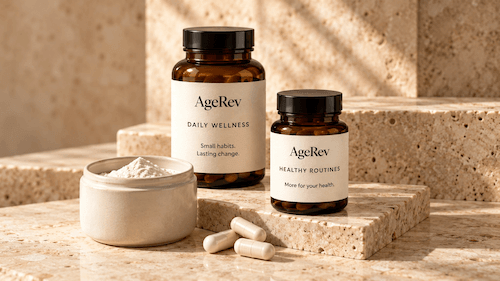
Fill nutritional gaps and support key biological pathways.
- NMN
- Creatine
- Fish oil
- Vitamin D3 + K2
- CoQ10
- Quercetin
- Berberine
- Probiotics
- Liver support
- Magnesium
- Glycine
- Hormonal health support
5
Stress Management
Stress ages the body. Managing it protects everything else.
- Reset mindset under stress
- Protect sleep aggressively
- Maintain social connection
- Exercise regularly
- Meditation & breathwork
- Reduce excess caffeine
Voices Shaping Longevity
Start with a trusted voice, follow the questions that interest you, and use each video as a pathway into deeper longevity learning.
01
David Sinclair
Aging ScientistExplores the biology of ageing and how cellular repair pathways may influence healthspan and longevity.
YouTube @LifespanOfficial
02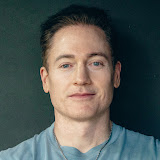
Bryan Johnson
BiohackerDocuments a highly measured, data-driven approach to testing routines designed around biological ageing.
YouTube @BryanJohnson
03
Andrew Huberman
NeuroscientistTranslates neuroscience into practical tools for sleep, stress, focus, movement and everyday performance.
YouTube @hubermanlab
04
Rhonda Patrick
Nutritional ScienceMakes research on nutrition, micronutrients, metabolism and healthy ageing easier to understand and apply.
YouTube @FoundMyFitness
05
William Li
Food as MedicineExplores how everyday foods may support the body's defence, repair and regenerative systems.
YouTube @DrWilliamLi
06
Peter Attia
Longevity PhysicianFocuses on prevention, healthspan and reducing the chronic disease risks that rise as we age.
YouTube @PeterAttiaMD
Many more researchers and biohackers are focused on longevity. Through their podcasts, we can keep learning about the latest research, ideas and breakthroughs—so let's live longer, better.